Names and slangs use in the Cannabis Products post thumbnail image

The study of an item or a “thing” is incomplete without a close look at the etymology and onomastics associated with the item, its uses, and origin across different languages and cultures over time and by different people. The article seeks to take a close look at different formal and slang terms or words used to describe cannabis, its users, sub-products, outcomes, and impact and how these continue to evolve. 

Cannabis is a genus of flowering plants in the family of Cannabises with different levels of tetrahydrocannabinol (THC). Cannabis has over 1,200 slang names and over 2,300 names for different strains.

Naming in this article involves using words and language for human communication guided or not by rules and conventions. Agreeably, the many slang and strains names have little to do with the Latin and botanical etymology Cannabis Indica, Ruderalis, or Sativa but rather from rich onomastics and nomenclature of cannabis and its products, users, methods of usage, package and forms for different users in time.

The article allows for a closer look at the naming structure of the cannabis plant is an annual or otherwise. It will look at the vegetable value, fruit, and flower usage as well as the growth habits of the cannabis plant. Cannabis plants can grow wildly or cultivated. Whether wildly grown or not, the name weed is used. The write up consider culture rather than formal naming features of cannabis products and users. The writer opines that product name and slang get influenced by social, political, and religious factors of generations and their diverse languages and their meanings.

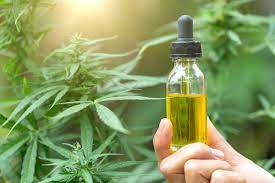
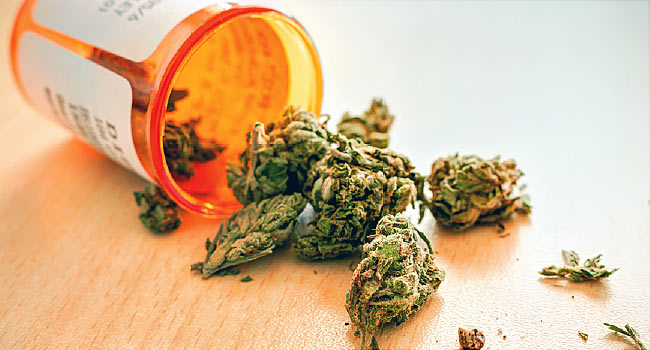
The paper looks at the many edible cannabis products prepared from mixture seeds, oils, leaves, and juice, and the how of preparation.  You will find information on whether these products are commercially or traditionally prepared and the products’ nomenclature. Cannabis products and their edibles can be consumed in different ways using different body parts explaining the use of different names and slangs of consuming methods. Preparation methods of cannabis products produce dozens of ways depending on many factors. The fluidity of the names and slangs leads to strains that no sooner become reference names.

It’s important to note that these products may attract different names and strains at any point in time and contexts but may mean the same. Names of cannabis product keep changing with time and across generations depending on the cultural dynamics of one society to another. This phenomenon explains the origin of the many names and slangs used. Some of these products get consumed through different body parts and human senses. Some users may prefer to eat or drink, inhale, or bath, and others may opt to used and name these as flowers or vegetation. The products may take the form of solid, liquid, gas, or vapor. All these have different names or slangs with ever-growing strain names and would have different effects on the users described formally by the use of English words or by slang names. The products are packages and presented differently by diverse communities and sub-communities in different parts of the world. There are no standards and detailed specification of packaging for many of the products. Characteristics of users and dosage among the many users are also not defined. This aspect attracts different names and slangs by deferent people at different times and contexts. Lack of standardization measures and specifications of products and users leads to the multiplication of names and slangs in different parts of the world and across generations. Studies on cannabis and its products is a field that has attracted volumes of research and attention. Some cannabis studies employ western approaches leading to scientific taxonomy resulting in scientific classification and naming. Although cannabis studies have attracted many scholars, formal naming has not served as the yardstick in naming. Folk taxonomy has influenced the former explaining the growth of slangs and name strains in the cannabis sector. In folk taxonomy, anybody or a group of people can develop a language and a name. Often this grows into a preferred street name at any point in time. With the evolution of culture, we expect more slang names and their strains in the cannabis cycle the world over cannabis from Green Society .

Dr. Virgil Bode

 admin@brandsourceconvention.com  

Related Post

CANNABIS TERPENES: THE UNSUNG HEROES IN MARIJUANA AROMAS AND FLAVORSCANNABIS TERPENES: THE UNSUNG HEROES IN MARIJUANA AROMAS AND FLAVORS

Ever wonder what gives your favorite cannabis strain its distinct aroma and flavor? Terpenes, aromatic compounds Black Tie CBD Lemon Cherry Gelato found in many plants including cannabis, are largely responsible. In this article, we’ll delve into the fascinating world of cannabis terpenes – from their roles in creating unique scents and tastes to their potential effects on the body and mind.

Dive in to uncover why these unsung heroes are crucial to your marijuana experience.

The Importance of Cannabis Terpenes

Cannabis terpenes play a crucial role in the aromas and flavors of marijuana, as well as their effects on the body and mind, making them essential components of cannabis strains.

Aromas and flavors

The scents and tastes of cannabis come from terpenes. These natural oils give each strain its unique aroma. Some smell like fruit, while others are more like mint or cedar wood. The flavors can be spicy, sweet, sour, or even bitter.

This mix of smells and tastes makes using marijuana an enjoyable experience.

Effects on the body and mind

Cannabis terpenes have noticeable effects on both the body and mind. When you consume marijuana that contains different terpenes, it can influence your experience in various ways. For example, certain terpenes like myrcene may promote relaxation and help with sleepiness, while others like limonene might enhance focus and uplift your mood.

Each terpene has unique properties that contribute to the overall effects of the cannabis strain. By understanding how these terpenes affect your body and mind, you can choose strains that align with your desired outcomes and preferences for a more tailored experience.

Uniqueness and diversity

Cannabis terpenes offer a unique and diverse range of aromas and flavors that make each strain special. These terpenes are responsible for the captivating scents found in different cannabis strains, such as cedar, mint, or even peppermint flavor.

Each strain has its own distinct aroma and flavor profile, which can be earthy, fruity, or even clovelike. It’s not just about the scent though; these terpenes also have various effects on the body and mind.

They can promote sleepiness, relaxation, or even provide pain relief. With such a wide array of aromas and flavors to choose from, cannabis strains truly stand out thanks to their terpene composition.

The Role of Terpenes in Marijuana

Terpenes play a crucial role in marijuana by enhancing the entourage effect, influencing strain characteristics, and offering potential benefits and applications.

Enhancing the entourage effect

Cannabis terpenes play a crucial role in enhancing the entourage effect. This effect refers to how different cannabis compounds, like cannabinoids and terpenes, work together to create unique therapeutic benefits.

Terpenes not only contribute to the aroma and flavor of marijuana but also interact with cannabinoids to enhance their effects on the body and mind. By combining various terpenes with specific strains, you can tailor the entourage effect for different desired outcomes.

This means that terpenes have the potential to amplify relaxation, pain relief, or other therapeutic properties of cannabis strains, making them even more effective for your needs.

Impact on strain characteristics

Terpenes play a significant role in shaping the characteristics of different cannabis strains. These compounds give each strain its unique aroma and flavor profile. For example, terpenes like limonene can create a citrusy scent, while myrcene contributes to an earthy or musky aroma.

The presence and combination of specific terpenes also influence how a strain affects your body and mind. Some terpenes are known for their relaxing properties, while others may promote focus or provide pain relief.

By understanding the impact of terpenes on strain characteristics, you can choose products that align with your preferences and desired effects.

Potential benefits and applications

Cannabis terpenes have the potential to provide various benefits and applications for online dispensary clients. These aromatic compounds can contribute to the overall effects of marijuana strains, enhancing the entourage effect when combined with cannabinoids.

Depending on the specific terpene profile, different strains can offer unique benefits such as relaxation, pain relief, or even sleepiness. Terpenes also play a role in creating captivating aromas and flavors in cannabis products.

With their wide range of scents including earthy, fruity, and even clovelike notes, terpenes add depth and complexity to the overall experience of using cannabis. Whether it’s for medical purposes or simply enjoyment, understanding and appreciating these unsung heroes can enhance your cannabis journey.

Conclusion

In conclusion, cannabis terpenes play a crucial role in the aromas and flavors of marijuana. They not only make each strain unique but also have effects on our body and mind. Understanding and appreciating these unsung heroes can enhance our enjoyment and experience with cannabis products.

So next time you indulge, take a moment to savor the captivating aromas and flavors that terpenes bring to the table.

Dr. Virgil Bode

 admin@brandsourceconvention.com  

Can the Use of Cannabis Be a Safe Pain Treatment?Can the Use of Cannabis Be a Safe Pain Treatment?

The cannabis plant has long green leaves having at least five leaflets. This plant originated in India and Asia. The components of this plant have been used as a pain killer remedy for centuries worldwide. Join me as I take you through how to consume cannabis, the health benefits and risks of cannabis uses to treat pain.

Which are the health benefits of using the psychoactive plant known as cannabis?

Researchers worldwide have been working round the clock trying to identify the safety and effectiveness of cannabis uses to treat pain. The use of this drug alters the function of the central nervous system. This effect interferes with the communication between the body and the brain. In this case, the body fails to detect pain. This drug has been a pain remedy for patients suffering from migraine, arthritis, and cancer. Cannabis can help in reducing nausea for patients who attend chemotherapy sessions. Some people have been using cannabis as an appetizer for cancer and HIV patients at risk of weight loss.

How do you consume cannabis?

There are several ways of consuming cannabis. One of these ways is grinding it and adding a small quantity in smoothies or food. The most common ways are vaporizing and smoking like a cigar. The product releases a strong smell when smoking, which may be a risk when consumed in countries where the drug is illegal.

Which are the risks of cannabis uses to treat pain?

Cannabis uses to treat pain can be tricky since the cons are more than the pros. Many people shy off from using this product because it can cause several side effects when used in high quantity or for a long time. When you consume it, you can lose your concentration and affect your judgment. The effect can affect your memory for a while, boost your appetite and make you lose your body balance. In some cases, it can cause chronic cough, your heart rate may rise, you experience nausea, and it can cause short breath.

When you use the drug for a long time, you may experience panic, psychosis, hallucinations, delusions, and paranoia. The side effects increase as you use the drug for a long time.

When you consume this drug with food or smoothies, you start feeling the effects after three hours. When you smoke, you feel the effect within a minute. You can be high for up to six hours, especially when you take a large quantity.

Cannabis uses to treat pain has been common in different parts of the world. The drug has not been medically approved for this use, although it is legal in some countries. The long-term effects of this drug include: Losing body stability, losing judgment, affecting concentration and it can cause respiratory-related diseases. Now that you have this information, I know you will decide whether to use cannabis or not.

Dr. Virgil Bode

 admin@brandsourceconvention.com  

A Conclusive Report on How THC use affects driving!A Conclusive Report on How THC use affects driving!

THC is the active ingredient in the psychoactive drug marijuana. It acts upon the neural cells in the brain and Central Nervous System (CNS). It enacts a significant, negative effect upon them. Using THC can negatively affect your ability to drive. That’s because it reduces your judgment, capability to concentrate, motor coordination and reaction time. Altogether, it negatively affects your driving skills. This increases your chances of getting involved in a car crash. Read on to discover more about How THC use affects driving. 

Effects of marijuana THC on a driver 

Multiple studies conclusively show that THC reduces your ability to concentrate. A high concentration of THC in the blood reduces your capability to judge distance and time. With THC in your system, you will be unable to control the speed of your car properly. Also, you are likely to get distracted and misread road signs. THC can make you drowsy. This can be dangerous if you are driving. In fact, the risk of getting involved in a car crash with serious injury normally doubles after using marijuana. 

Statistics 

Reports by the highway authorities reveal that one in four drivers involved in accidents had THC in their system. Some of these drivers indicated that marijuana increases their concentration and driving skill. They were wrong. While THC may boost cognitive capability, this effect is short lived. The psychoactive chemical soon causes weariness, distraction and drifting attention. 

Effects of THC on the parts of your body 

Upon consumption, THC changes the way that you process your information. As such, your judgment becomes compromised. This psychoactive chemical also affects a section of your brain known as the hippocampus. Here, it changes the information processing procedure. As such, you find it difficult to make new memories.  

THC can also increase your levels of anxiety. This can result in a racing heartbeat and culminate in a complete panic. If you should suffer a panic attack while driving, it can result in an accident. THC also negatively affects the motor receptors in your brain and muscles. This causes you to react slower. Seeing as road conditions are always changing, this effect can prove disastrous. When consumed over a long period, THC can cause you to develop a phlegmy cough. This further reduces your ability to concentrate while driving.  

Conclusion 

In many countries around the world, it is illegal to drive while under the influence of drugs such as marijuana. That is because the THC can impair your capability as a driver and result in accidents. Thus, there are severe legal ramifications if you are caught driving under the influence of marijuana. The guideline above explains How THC use affects driving. 

Best quality marijuana in Canada :- Peak Four Twenty Dispensary

Dr. Virgil Bode

 admin@brandsourceconvention.com