Types of Best Cannabis Strains for Chilling post thumbnail image

You would like to get a good cannabis to use so that you can feel the chilling effect. You may not have the idea on what is the best strain for you. Each strain may have different impacts depending on the usage or personal preference. The following are the best strains of cannabis for chilling. 

There are thousands of cannabises strains that people use. In this case, not all of them are good. However, there are some of the better strains compared to others that can meet your preference. There are three major classifications of cannabis strains which are; the hybrid cannabis, sativa cannabis and Indica cannabis. Each type has some of the best strains in them. In this case, you have a chance to choose which type of cannabis and the strains in it that you prefer. The following are the classifications of cannabis with their best strains: 

Indica cannabis  

Indica cannabis has its own strains. However, the following are the best strains of chilling from this type: 9 pound hammer is the first indica sativa that is good for chilling. 9 pound hammer has a strong effect when you use it. As well, it has a long lasting effect in your body when you use it. It has buds that contain resin coat on them. When you use the 9-pound hammer, your body relaxes which is the main objective that you are making you to use bang. 

Afghani is the second best indica cannabis strain for chilling. Afghani by its name has its origin in Afghanistan. It is one of the best cannabis breeds that cannabis breeders prefer to grow. Notably, it produces large amounts of resin. As well, Afghani cannabis produces sedative chemicals that can make you feel relaxed and peaceful once you consume it. 

Sativa cannabis 

Sativa cannabis has a variety of strains. Not all of its stains are good. However, the following are the best strains of chilling under sativa classification: The first strain is Acapulco gold. It is mostly used by people of first class social status in the society. in five start hotels and restaurants, most users use it at dinner times. When you break its bud, it releases a good aroma that makes you love it even more. It has a stimulant effect to the user. 

Alaskan thunder fuck is the second best sativa cannabis strain for chilling. It has a sweet smell with outstanding heavy buzz in it. You will love this sativa cannabis due to its good look as well as its smell. 

Hybrid cannabis 

Hybrid cannabis has a variety of cannabis strains in it. People love to prefer this class of cannabis since it has one of the best strains for chilling. Therefore, the first hybrid cannabis strain is ACDC.  ACDC has a high effect of relaxation since once you consume it, it does not have any psychoactive effects thus making you to be dormant and chill out. 

AK-47 is the second best hybrid strain for you to use. It has a sour scent . Despite it has a high sedation effect that can make you feel relaxed and mellow. AK-47 is one of the famous cannabis strains in the world. 

In conclusion, cannabis strains are classified basing on their origin and their mode of production. In each classification, you can get hundreds of cannabis strain. Keep in mind that not all strains are good for chilling; the best strains for chilling are few.

Dr. Virgil Bode

 admin@brandsourceconvention.com  

Related Post

ANCIENT AND CURRENT USES OF CANNABISANCIENT AND CURRENT USES OF CANNABIS

 INTRODUCTION  

Cannabis is a botanical product whose origin traces back to the ancient world. In the past 5000years, archaeologists found evidence of cannabis, having recreational, spiritual, medicinal, and other uses in various countries, including Africa, India, China, and Assyria.  

            Other common names for cannabis  

                           Latin, Botanical names 

   Cannabis is the scientific name for the hemp plant, with many species’ names, including:  

  • Cannabis sativa  
  • Cannabis indica  
  • Cannabis ruderalis   

              English names  

  •  Dagga Ganja  
  •  Hashish  
  •  Hemp  
  •  Marijuana  

Ancient language names  

  • Bhanga  
  • Ganjika  
  • Hursini  
  • (Kinnab or Quinn) Arabic  
  • (Ma) Chinese  
  • (Cannabis) Greek  

     Traditional/ regional language names  

  • Bhangi (Swahili)  
  • Canada (Italian)  
  • Chamba (Chichewa)  
  • Beuh (French)  
  • Ganja (Hindi)   

     Administration of cannabis  

It was commonly eaten, brewed in teas, or mixed with edibles using its active ingredient. In the 21st century, it is administered through inhalation via smoking and vaporization.  

                   Uses  

Religion purposes- During 1200-800 BCE, Hindu sacred text, Atharva Veda (the science of charms) used leaves and stems as “Sacred Grass” and was considered among the five sacred plants in India. Moreover, Scythian tribes used its seeds as offerings in royal tombs, in 700-300 BCE. In China, they used plant remains of cannabis as ‘shroud’ in tombs dated to around 500 BCE. Scythians used the plant for ritual and cleansing purposes. 

Clothing- Hemp was made out of textiles in China, during the 4000 BCE, and its remains have been found of hemp fibers a century later. In 1500 BCE, Scythians cultivated cannabis to weave beautiful hemp clothes.  

Food- Cannabis was cultivated in China for food during 1500 BCE. Its seeds were also used for food in China as well in 6000 BCE.  

Recreational purposes- In 2012, Washington and Colorado’s citizens voted cannabis to be used as recreational purposes.  

Medicinal purposes- In 1996, California was the first to legalize the therapeutic use of cannabis. Following this, Canada then legalized cannabis in 2001, Austria, 2008, Denmark, 2011, as well as Italy in 2013. Up to date, Malawi and Lebanon still legalize the plant for medicinal use. The plant was used to treat glaucoma and general inflammation in ancient Egypt. As a cure for leprosy, dysentery, fever, encouraging sleep, improving judgment and cognition, ancient India also used cannabis, thinking it would prolong life. 

For inflammation, earaches, and swelling, ancient Greeks sought the plant for this purpose. The plant’s roots were boiled and used to treat gout, arthritis, and generalized pain by the Romans. Arabians used the plant for migraines, anxiety, and syphilis during the 800AD-900AD.  

Other medicinal uses of marijuana introduced by The English include muscle spasms, insomnia, promoting uterine contractions, menstrual cramps, convulsions, rheumatism, gout, and joint pains. 

Personal growth and use- In 2020, Australian capital territory legalized the use of cannabis for growth and personal use.  

          Current uses in the 21st century  

Marinol (dronabinol) and Cesamet ( nabilone), are synthetic cannabinoids used to treat nausea or neuropathic pain. The two are FDA medications currently on the market. Sativex is now used for treating cancer pain, while Epidelix is used for childhood seizures. 

REFERENCES AND CITATIONS  

1. Newton, D. (2013). Marijuana: A Reference Handbook. ABC- CLIO: Inc.Santa Barbara, CA. 

2. National Institute on Drug Abuse. (2017). What is marijuana? 

Click here :- buy my weed online

Dr. Virgil Bode

 admin@brandsourceconvention.com  

Cannabis Benefits in Treating Chronic PainCannabis Benefits in Treating Chronic Pain

In 1970, the then US President, Ronald Reagan, signed into law the Controlled Substances Act, which categorized cannabis as a Schedule I drug, the highest ranking there is. This meant that it had been established as having a high abuse potential with no medicinal value. This inhibited the use of the substance, which had at the time been undergoing several scientific studies to ascertain cannabis benefits in treating chronic pain Shiva’s online dispensaries.  

Cannabis goes by several street names, driven mostly by a need to keep discussions on it discreet, given its illicit nature. Only recently, with the legalisation of cannabis in several states in the USA, as well as other countries, has there been more mainstream research into the effects of cannabis. One of the main effects that have been noted is the reduction of chronic pain. Cannabis has become an unofficial drug of choice in hospices and patients who were being given palliative care, as well as for patients dealing with chronic epilepsy. In fact, this was one of the main ways through which cannabis became legal, touted for its medicinal benefits. Further research and advocacy work have led it to be approved for recreational use in several jurisdictions. Medical use, however, remains a notable use for cannabis, especially when it comes to pain relief. 

Less likelihood of addiction 

Popular culture propagated the notion that cannabis is not addictive, thus making it the perfect drug. Recent studies however show that cannabis is addictive, but only after prolonged frequent use, unlike other drugs like opioids, which are heavily in use in modern medicine. Opioid drugs have caused devastating effects on patients, with as many as 29% of them ending up getting hooked on the drugs long after their medical conditions have ended, with some even ending up homeless and buying street drugs. This has triggered one of the largest substance use crises the world has seen, more popularly known as the “Opioid Crisis”. This has made cannabis preferable for use as a pain relief remedy, given its relatively low addictive nature. 

Lower chances of overdose 

There has not been any documented case of cannabis overdose to date. This is quite reassuring of its safety for use on patients, as well as making it easy to administer and distribute, without the fear of misuse and overdose by patients and their caretakers. More research needs to be done into drug interactions with other medications that patients might be on, but for now, moderate use of cannabis continues to be a relatively safe, easy-to-administer therapy for chronic pain. 

With the progressive decriminalization of cannabis, there has been more research into the drug, and it remains to be seen what other benefits can be attributed to its use. In the meantime, patients who are suffering from conditions that cause chronic pain can continue to breathe easy knowing they can take advantage of cannabis benefits in treating chronic pain

Dr. Virgil Bode

 admin@brandsourceconvention.com  

LIVE RESIN GUMMIES: WHY FLAVOR CHASERS ARE MAKING THE SWITCH LIVE RESIN GUMMIES: WHY FLAVOR CHASERS ARE MAKING THE SWITCH 

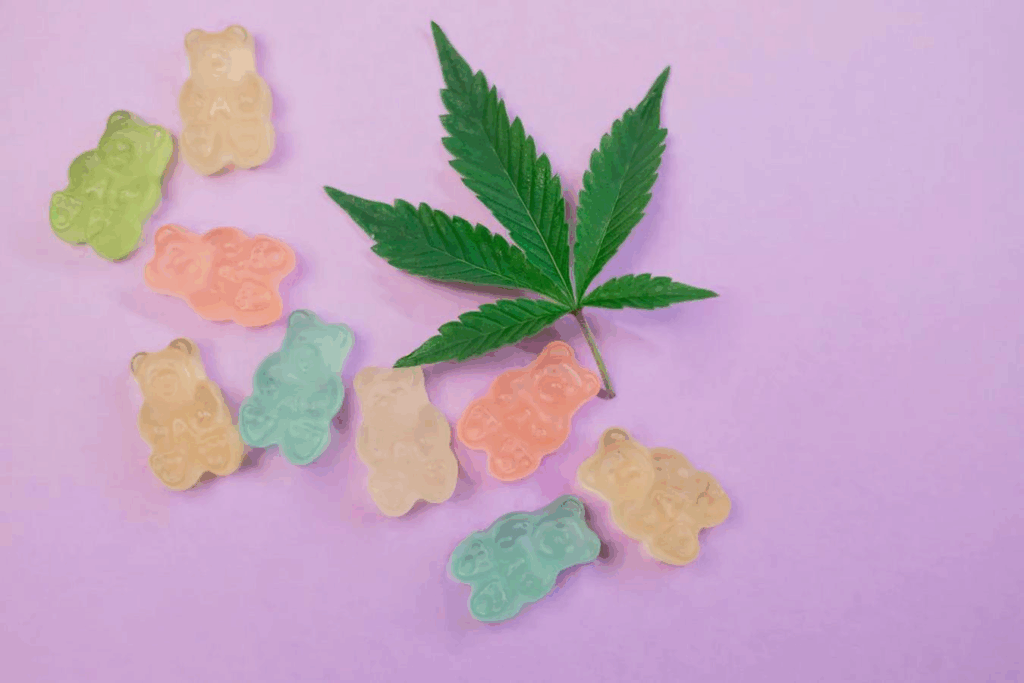
Live resin gummies have taken the edible market to an entirely new level. If you’ve ever wished your gummies tasted more like actual cannabis flower and delivered a richer, more complex experience, live resin gummies are the upgrade you didn’t know you needed. 

High Quality Live Resin Gummies: – https://kingbuddha.com/products/strawberry-srawberry-cough-live-resin-delta-9-sativa-gummies 

What Are Live Resin Gummies? 

Live resin gummies are cannabis edibles infused with live resin extract rather than standard distillate. The key difference is in how the extract is made. Live resin is produced from cannabis flower that’s flash-frozen immediately after harvest — before it’s dried or cured. 

This freezing process preserves the plant’s full terpene profile, which is normally diminished during traditional drying and curing. The result is an extract that captures the true essence of the living plant — its flavor, aroma, and complete chemical complexity. 

When that extract is used to make gummies, you get an edible that’s dramatically more flavorful and nuanced than anything made with standard distillate. 

Live Resin vs. Distillate: Why It Matters 

Most gummies on the market are made with distillate — a highly refined THC extract that’s been stripped of virtually everything except the target cannabinoid. Distillate is potent, but it’s also one-dimensional. It lacks the terpenes and minor cannabinoids that give each cannabis strain its unique character. 

Live resin changes the equation: 

  • Full terpene preservation: Live resin retains the aromatic compounds that distillate processing destroys. 
  • Entourage effect: With a complete cannabinoid and terpene profile intact, live resin gummies deliver a more well-rounded, strain-true experience. 
  • Better flavor: Live resin gummies taste noticeably more complex and authentic than their distillate-based counterparts. 

In short, live resin gummies offer a premium experience that distillate gummies simply can’t replicate. 

What Makes Live Resin Gummies Stand Out 

Strain-Specific Experiences 

Because live resin preserves the unique terpene profile of each strain, live resin gummies can deliver strain-specific effects. A gummy made with Blue Dream live resin will feel different from one made with OG Kush — just like smoking those two strains feels different. 

This is a massive advantage over generic distillate gummies, which tend to produce a one-size-fits-all THC effect regardless of what strain label appears on the package. 

Superior Taste 

For flavor-conscious consumers, live resin gummies are unmatched. The natural terpenes add depth and complexity to the flavor that synthetic or reintroduced terpenes can’t match. Expect earthy, fruity, piney, or citrusy notes depending on the strain — all coming from the plant itself. 

More Balanced Effects 

Many consumers report that live resin gummies produce smoother, more balanced effects compared to distillate edibles. The presence of minor cannabinoids and terpenes working in concert with THC creates a fuller experience that feels less sharp and more natural. 

How to Choose Quality Live Resin Gummies 

Verify the Extraction 

Not every product labeled “live resin” meets the standard. Authentic live resin is made from fresh-frozen cannabis, not dried material with terpenes added back in. Check the brand’s website or packaging for details on their extraction process. 

Check the Lab Results 

Third-party certificates of analysis should confirm the cannabinoid profile, terpene content, and purity. A legitimate live resin product will show a diverse terpene profile, not just high THC. 

Consider the Source Material 

The quality of live resin starts with the quality of the flower. Brands that source premium, carefully cultivated cannabis produce noticeably better live resin gummies. 

Read the Ingredients 

Even premium live resin can be undermined by cheap gummy formulations. Look for natural ingredients, real fruit flavors, and clean sweeteners. 

The Future of Edibles Is Live Resin 

Live resin gummies represent where the edible market is heading — toward products that honor the full complexity of the cannabis plant. If you’ve been settling for flat, one-note distillate gummies, it’s time to experience what a truly premium edible tastes and feels like. Once you go live resin, you won’t want to go back. 

Dr. Virgil Bode

 admin@brandsourceconvention.com