
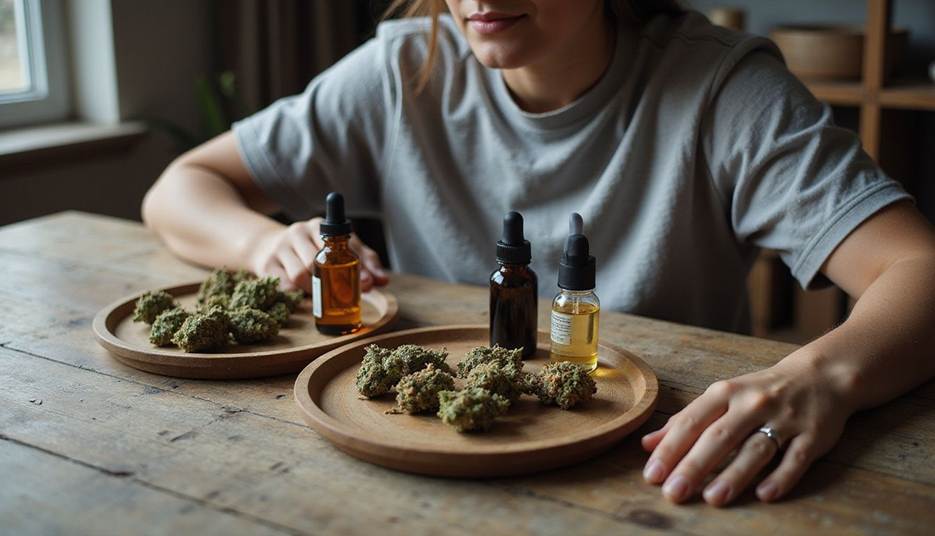
Many people want to understand the differences between THCa and CBD before choosing a product. THCa and CBD are both cannabinoids Best Delta 9 THC found in cannabis and hemp, but they have very different effects.
Key Takeaways
- THCa and CBD are both cannabinoids found in cannabis, but they work differently. THCa is nonpsychoactive and can change to THC when heated. CBD is also nonpsychoactive and does not cause a high.
- CBD is widely used for anxiety, chronic pain, epilepsy, and sleep disorders. The FDA approved Epidiolex (a CBD medicine) for rare seizures in 2018.
- THCa shows promise as an anti-inflammatory and neuroprotective agent based on animal studies. However, there are fewer human studies on THCa compared to CBD.
- Hemp-derived CBD is legal federally if it contains less than 0.3% THC under the 2018 Farm Bill; it’s available almost everywhere in the U.S. In contrast, access to THCa depends more on state laws about marijuana.
- You can find many types of CBD products—like oils, gummies, tinctures, capsules—and buy them easily online or in stores. Most THCa products are only sold at dispensaries where medical or recreational cannabis is allowed by law.
Understanding THCA and CBD
THCA and CBD both come from the cannabis plant. They each have unique chemical structures and effects that make them special.
Chemical structure
THCA and CBD have different chemical structures that greatly affect their properties. THCA, or tetrahydrocannabinolic acid, features an acidic structure without psychoactive effects.
This means it does not produce euphoria like its counterpart THC. On the other hand, CBD, or cannabidiol, is nonpsychoactive as well but interacts differently with the body’s endocannabinoid system.
Both cannabinoids come from cannabis plants; however, they undergo different extraction processes to create oils or edibles. While THCA can convert to THC through heating or decarboxylation, CBD remains stable in various forms.
Their distinct chemical makeup leads to unique benefits for users seeking relief from inflammation and stress without unwanted highs.
Effects
THCA and CBD offer different effects that can enhance your experience. THCA does not cause psychoactive effects, meaning it won’t get you high. Instead, it provides therapeutic benefits like anti-inflammation and relaxation without euphoria.
On the other hand, CBD is also nonpsychoactive but offers a calming effect for many users.
CBD may help ease anxiety and provide pain relief too. Users often report feeling relaxed after taking CBD products. In contrast, some find that THCA helps reduce muscle tension without altering their state of mind.
Medical benefits
The effects of THCA and CBD extend beyond simple relaxation. Both compounds offer unique medical benefits. Cannabis users often report that THCA provides anti-inflammatory properties, which help relieve pain and reduce swelling.
It may even assist with nausea in some patients, making it popular among those undergoing chemotherapy.
CBD stands out for its nonpsychoactive nature, which allows users to experience therapeutic relief without the euphoria associated with THC. Many people use CBD to manage anxiety and depression or improve sleep quality.
THCA vs CBD
THCA and CBD both come from the cannabis plant, but they affect the body in different ways. While THCA is nonpsychoactive, CBD offers therapeutic benefits without inducing euphoria.
Chemical differences
THCA and CBD have distinct chemical structures. THCA, or tetrahydrocannabinolic acid, is the non-psychoactive precursor to THC. It contains an extra carboxyl group in its structure.
This feature makes THCA non-intoxicating. Conversely, CBD, or cannabidiol, does not contain this additional group; it acts differently in the body.
Their chemical differences lead to unique effects as well. THCA primarily offers anti-inflammatory benefits without causing euphoria. CBD also provides therapeutic benefits but does so with a calming effect that promotes relaxation without psychoactivity.
Conclusion
Both THCa and CBD serve unique purposes. THCa interacts with your body in more psychoactive ways, while CBD offers nonpsychoactive benefits. Each compound shines in medical applications; THCa can help with inflammation, while CBD promotes relaxation.
Understanding these differences helps you choose the right product for your needs. Enjoy exploring each option as you discover what works best for you!
FAQs
1. What are the main differences between THCa and CBD?
THCa and CBD are both phytocannabinoids found in cannabis plants. THCa is not psychoactive, while CBD is also nonpsychoactive. Both have therapeutic uses but work in different ways.
2. Does THCa produce a high like THC?
No; THCa itself does not cause euphoria or psychoactive effects. Unlike THC, which causes relaxation and a high, THCa must be heated to become active as tetrahydrocannabinol.
3. How do the antiinflammatory properties of CBD compare with those of THCa?
Both cannabinoids may help reduce inflammation, but research shows that cannabidiol often has stronger antiinflammatory effects than raw hemp compounds like THCa.
4. Can you find terpenes in both products derived from cannabis?
Yes; both types contain terpenes along with other cannabinoids from hemp or cannabis sources, adding to their unique therapeutic profiles and benefits.
5. Are there differences in how people use these cannabinoids for wellness?
People use cannabidiol mainly for relaxation without feeling high; they choose it for its calming effect on anxiety or pain relief. In contrast, some prefer using raw forms containing more acidic cannabinoids like THCa when seeking specific health benefits without psychoactive results.