Difference Between Indica vs. Sativa Cannabis Effects post thumbnail image

Introduction

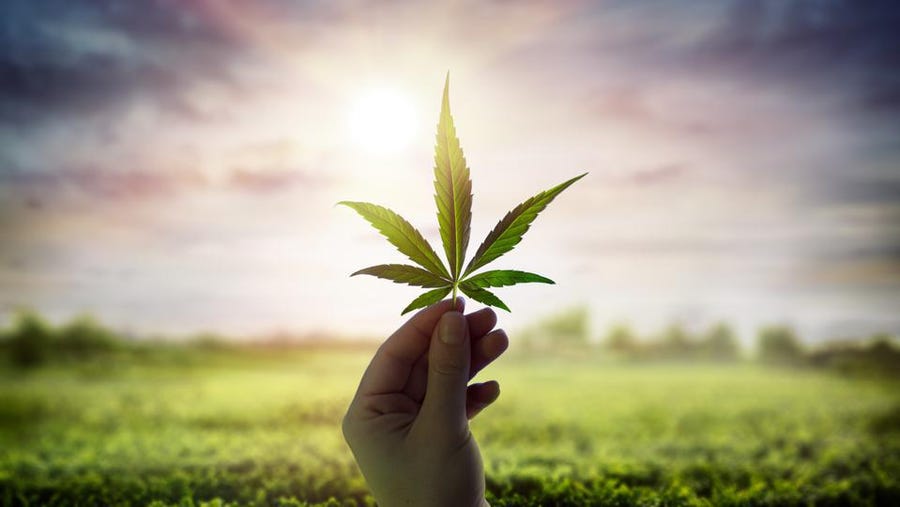
Cannabis commonly referred to as marijuana is derived from the cannabis plant and is widely used for medicinal purposes and recreation. It is broadly categorized as indica and sativa with each group composed of many strains. It is used in the medical field to treat conditions such as multiple sclerosis, nerve pain, nausea, vomiting, and migraine. The two species are different in their morphology in that sativa has narrow finger-like leaves while indica has wide and broader leaves. Users must be aware of indica vs. sativa cannab is effects.

Body

Level of energy production

The major difference is the effect each species has on the general body. Indicas are known to decrease energy production by lowering the body’s metabolism rate. It also activates the parasympathetic nervous system while inhibiting the sympathetic nervous system. This action decreases the heart rate and general energy production. This makes it a stress reliever and appropriate in the evening after a long day. Sativa on the other hand stimulates the sympathetic nervous system and inhibits the parasympathetic nervous system. This increases metabolism and energy production. It also causes increased perfusion of the brain enhancing creativity.

Specificity

Due to different modes of action, indica and sativa cannabis are often used to treat specific conditions. Indica due to its sedative properties and its ability to reduce metabolism is used to treat inflammatory disorders and pain. It is usually of good use for patients with cancer, arthritis, and fibromyalgia. On the other hand, sativa is commonly used to treat psychological disorders. This is due to its ability to influence the perfusion of the brain and increase the metabolism required during the thought process. Despite these indications brought by indica vs. Sativa cannabis effects, sativa is commonly used as the majority of the conditions are accompanied by psychological changes.

Difference in aroma

The aroma in cannabis is a result of the emission of chemical compounds called terpenes. These chemicals are responsible for medicinal effects by interacting with cannabinoids receptors to produce a physiological change. A sweet aroma is released when Sativa is set on fire while a pungent and musty odor is emitted when indica is set on fire. Controversy can arise since the age when the cannabis plant was harvested is critical. Any cannabis plant harvested at a young age produces a less pungent odor regardless of the species and does not have any significance in indica vs. Sativa cannabis effects.

CBD vs THC levels

Indica has higher CBD than THC levels while Sativa has higher THC than CBD levels. The natural compounds primarily found in cannabis are cannabidiol and tetrahydrocannabinol. These chemical compounds have many similar medical effects but different psychoactive effects. THC is naturally psychoactive while CBD is not psychoactive. This simply means THC affects the mind while CBD does not. From such illustrations, it’s clear that sativa affects the human mind more than indica. This forms a basis when classifying indica vs. sativa cannabis effects

Conclusion

It is always important for a person to understand the type of strain one is used to. Some of the cannabis strains have opposing effects while some have summation effects. A thorough study should be conducted including laboratory before administration of cannabis. The user should be well informed about the adverse effects of green society store of cannabis. Researchers should focus more on identifying more Indica vs. Sativa cannabis effects.

Dr. Virgil Bode

 admin@brandsourceconvention.com  

Related Post

Can the Use of Cannabis Be a Safe Pain Treatment?Can the Use of Cannabis Be a Safe Pain Treatment?

The cannabis plant has long green leaves having at least five leaflets. This plant originated in India and Asia. The components of this plant have been used as a pain killer remedy for centuries worldwide. Join me as I take you through how to consume cannabis, the health benefits and risks of cannabis uses to treat pain.

Which are the health benefits of using the psychoactive plant known as cannabis?

Researchers worldwide have been working round the clock trying to identify the safety and effectiveness of cannabis uses to treat pain. The use of this drug alters the function of the central nervous system. This effect interferes with the communication between the body and the brain. In this case, the body fails to detect pain. This drug has been a pain remedy for patients suffering from migraine, arthritis, and cancer. Cannabis can help in reducing nausea for patients who attend chemotherapy sessions. Some people have been using cannabis as an appetizer for cancer and HIV patients at risk of weight loss.

How do you consume cannabis?

There are several ways of consuming cannabis. One of these ways is grinding it and adding a small quantity in smoothies or food. The most common ways are vaporizing and smoking like a cigar. The product releases a strong smell when smoking, which may be a risk when consumed in countries where the drug is illegal.

Which are the risks of cannabis uses to treat pain?

Cannabis uses to treat pain can be tricky since the cons are more than the pros. Many people shy off from using this product because it can cause several side effects when used in high quantity or for a long time. When you consume it, you can lose your concentration and affect your judgment. The effect can affect your memory for a while, boost your appetite and make you lose your body balance. In some cases, it can cause chronic cough, your heart rate may rise, you experience nausea, and it can cause short breath.

When you use the drug for a long time, you may experience panic, psychosis, hallucinations, delusions, and paranoia. The side effects increase as you use the drug for a long time.

When you consume this drug with food or smoothies, you start feeling the effects after three hours. When you smoke, you feel the effect within a minute. You can be high for up to six hours, especially when you take a large quantity.

Cannabis uses to treat pain has been common in different parts of the world. The drug has not been medically approved for this use, although it is legal in some countries. The long-term effects of this drug include: Losing body stability, losing judgment, affecting concentration and it can cause respiratory-related diseases. Now that you have this information, I know you will decide whether to use cannabis or not.

Dr. Virgil Bode

 admin@brandsourceconvention.com  

Are there Similarities of Indica vs Sativa Cannabis effects?Are there Similarities of Indica vs Sativa Cannabis effects?

Introduction

Many may not know the difference between Indica and Sativa Cannabis. Indica are short, have thick stems and their leaves are dark green and broad. It is known to reduce insomnia and create a feeling of relaxation. Sativa leaves are narrow, light green, and are tall. It is known to create a feeling of being energized and having focus and creativity. Both Indica and Sativa Cannabis effects are similar and we get to discuss them here.

Reduce Nausea

Indica vs Sativa Cannabis effects are similar as they have been known to reduce nausea. At times some diseases as a result of the treatment given to a patient especially if it is chronic may cause nausea. Medically the moderate amount of THC which is balanced with CBD is used. Chemotherapy patients who experience anticipatory nausea and are unable to control their symptoms also use Indica and Cannabis Sativa in treatments that are given in limited doses. 

Reduce Pain

The development of technology has allowed patients with long-term illnesses and experience pain to turn to Sativa Cannabis and Indica. They have both been used around the world for medicinal purposes and date centuries back. They have also been used for joint pains and muscle spasms. By alleviating pain the patient is also able to relax due to the sedative effect on them

Change in Appetite

Indica vs Sativa Cannabis effects vary when it comes to appetite. Research has shown that for patients who have a chronic illness and have a loss of appetite, Indica is used to alter their eating behaviors. The hunger hormone is triggered in the brain which prompts the patient to feel hungry and increase their appetite. As for the Sativa Cannabis, it has a different result on your appetite as it suppresses it due to a high concentration of THCV.

Increased Heart rate

A warning is put out on both vaping and smoking. When the heart rate increases you are at risk of a heart attack or other heart problems that are long-term and permanent as a result of the heart being strained due to the lack of enough or proper flow of oxygen. Indica vs Sativa cannabis effects research is still ongoing on whether when it is used directly it affects the heart as it has been beneficial to patients who need it.

Conclusion

Indica vs Sativa Cannabis effects vary and are also similar. When used for medical purposes and with the right dose the benefits outweigh the potential risks than when used recreationally. When we avoid the black market the quality is controlled and patients especially those with chronic problems benefit highly.

Dr. Virgil Bode

 admin@brandsourceconvention.com  

ANCIENT AND CURRENT USES OF CANNABISANCIENT AND CURRENT USES OF CANNABIS

 INTRODUCTION  

Cannabis is a botanical product whose origin traces back to the ancient world. In the past 5000years, archaeologists found evidence of cannabis, having recreational, spiritual, medicinal, and other uses in various countries, including Africa, India, China, and Assyria.  

            Other common names for cannabis  

                           Latin, Botanical names 

   Cannabis is the scientific name for the hemp plant, with many species’ names, including:  

  • Cannabis sativa  
  • Cannabis indica  
  • Cannabis ruderalis   

              English names  

  •  Dagga Ganja  
  •  Hashish  
  •  Hemp  
  •  Marijuana  

Ancient language names  

  • Bhanga  
  • Ganjika  
  • Hursini  
  • (Kinnab or Quinn) Arabic  
  • (Ma) Chinese  
  • (Cannabis) Greek  

     Traditional/ regional language names  

  • Bhangi (Swahili)  
  • Canada (Italian)  
  • Chamba (Chichewa)  
  • Beuh (French)  
  • Ganja (Hindi)   

     Administration of cannabis  

It was commonly eaten, brewed in teas, or mixed with edibles using its active ingredient. In the 21st century, it is administered through inhalation via smoking and vaporization.  

                   Uses  

Religion purposes- During 1200-800 BCE, Hindu sacred text, Atharva Veda (the science of charms) used leaves and stems as “Sacred Grass” and was considered among the five sacred plants in India. Moreover, Scythian tribes used its seeds as offerings in royal tombs, in 700-300 BCE. In China, they used plant remains of cannabis as ‘shroud’ in tombs dated to around 500 BCE. Scythians used the plant for ritual and cleansing purposes. 

Clothing- Hemp was made out of textiles in China, during the 4000 BCE, and its remains have been found of hemp fibers a century later. In 1500 BCE, Scythians cultivated cannabis to weave beautiful hemp clothes.  

Food- Cannabis was cultivated in China for food during 1500 BCE. Its seeds were also used for food in China as well in 6000 BCE.  

Recreational purposes- In 2012, Washington and Colorado’s citizens voted cannabis to be used as recreational purposes.  

Medicinal purposes- In 1996, California was the first to legalize the therapeutic use of cannabis. Following this, Canada then legalized cannabis in 2001, Austria, 2008, Denmark, 2011, as well as Italy in 2013. Up to date, Malawi and Lebanon still legalize the plant for medicinal use. The plant was used to treat glaucoma and general inflammation in ancient Egypt. As a cure for leprosy, dysentery, fever, encouraging sleep, improving judgment and cognition, ancient India also used cannabis, thinking it would prolong life. 

For inflammation, earaches, and swelling, ancient Greeks sought the plant for this purpose. The plant’s roots were boiled and used to treat gout, arthritis, and generalized pain by the Romans. Arabians used the plant for migraines, anxiety, and syphilis during the 800AD-900AD.  

Other medicinal uses of marijuana introduced by The English include muscle spasms, insomnia, promoting uterine contractions, menstrual cramps, convulsions, rheumatism, gout, and joint pains. 

Personal growth and use- In 2020, Australian capital territory legalized the use of cannabis for growth and personal use.  

          Current uses in the 21st century  

Marinol (dronabinol) and Cesamet ( nabilone), are synthetic cannabinoids used to treat nausea or neuropathic pain. The two are FDA medications currently on the market. Sativex is now used for treating cancer pain, while Epidelix is used for childhood seizures. 

REFERENCES AND CITATIONS  

1. Newton, D. (2013). Marijuana: A Reference Handbook. ABC- CLIO: Inc.Santa Barbara, CA. 

2. National Institute on Drug Abuse. (2017). What is marijuana? 

Click here :- buy my weed online

Dr. Virgil Bode

 admin@brandsourceconvention.com