Are there Similarities of Indica vs Sativa Cannabis effects? post thumbnail image

Introduction

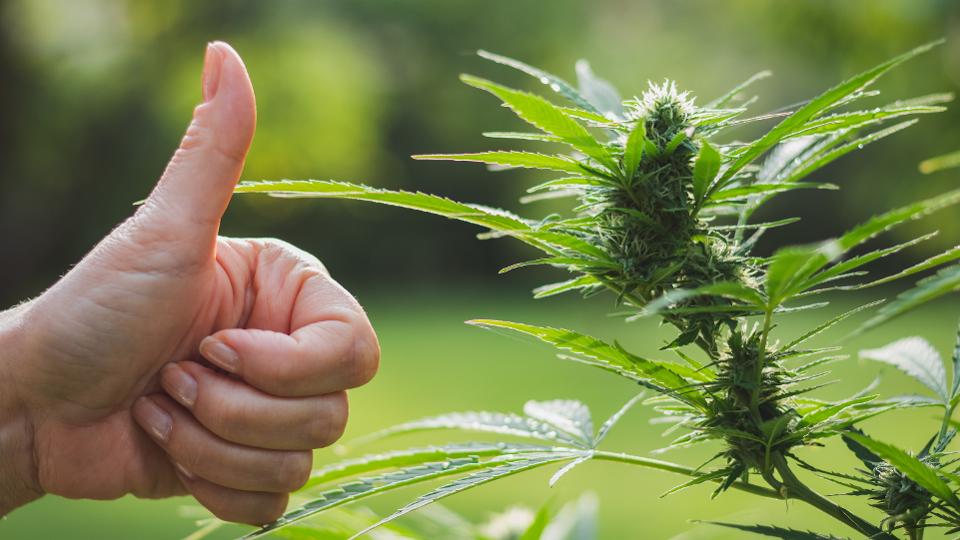
Many may not know the difference between Indica and Sativa Cannabis. Indica are short, have thick stems and their leaves are dark green and broad. It is known to reduce insomnia and create a feeling of relaxation. Sativa leaves are narrow, light green, and are tall. It is known to create a feeling of being energized and having focus and creativity. Both Indica and Sativa Cannabis effects are similar and we get to discuss them here.

Reduce Nausea

Indica vs Sativa Cannabis effects are similar as they have been known to reduce nausea. At times some diseases as a result of the treatment given to a patient especially if it is chronic may cause nausea. Medically the moderate amount of THC which is balanced with CBD is used. Chemotherapy patients who experience anticipatory nausea and are unable to control their symptoms also use Indica and Cannabis Sativa in treatments that are given in limited doses. 

Reduce Pain

The development of technology has allowed patients with long-term illnesses and experience pain to turn to Sativa Cannabis and Indica. They have both been used around the world for medicinal purposes and date centuries back. They have also been used for joint pains and muscle spasms. By alleviating pain the patient is also able to relax due to the sedative effect on them

Change in Appetite

Indica vs Sativa Cannabis effects vary when it comes to appetite. Research has shown that for patients who have a chronic illness and have a loss of appetite, Indica is used to alter their eating behaviors. The hunger hormone is triggered in the brain which prompts the patient to feel hungry and increase their appetite. As for the Sativa Cannabis, it has a different result on your appetite as it suppresses it due to a high concentration of THCV.

Increased Heart rate

A warning is put out on both vaping and smoking. When the heart rate increases you are at risk of a heart attack or other heart problems that are long-term and permanent as a result of the heart being strained due to the lack of enough or proper flow of oxygen. Indica vs Sativa cannabis effects research is still ongoing on whether when it is used directly it affects the heart as it has been beneficial to patients who need it.

Conclusion

Indica vs Sativa Cannabis effects vary and are also similar. When used for medical purposes and with the right dose the benefits outweigh the potential risks than when used recreationally. When we avoid the black market the quality is controlled and patients especially those with chronic problems benefit highly.

Dr. Virgil Bode

 admin@brandsourceconvention.com  

Related Post

HOW TO USE A ONE HITTER PROPERLY: TIPS FOR SMOOTH HITS HOW TO USE A ONE HITTER PROPERLY: TIPS FOR SMOOTH HITS 

Many people struggle with harsh hits when using a one hitter pipe for cannabis smoking. A one hitter is a small, discreet pipe that lets you pack and burn just enough herb for one inhalation. 

This guide explains how to use a Pro 420 One Hitters properly and offers tips for smooth hits every time. Keep reading if you want smoother, easier draws from your bowl. 

What is a One Hitter and Why Use It? 

A one hitter is a small smoking device designed for quick, discreet hits of cannabis. Users appreciate it for its simplicity and efficiency, making it a popular choice among smokers. 

Definition of a One Hitter 

A one hitter is a small smoking pipe. It allows users to take single hits of cannabis at a time. Users pack a small amount, or bowl, of ground herb into the pipe. Then they inhale deeply for smooth and flavorful hits. 

Many enjoy using a one hitter for its convenience and portability. This tool offers quick sessions without needing bulky equipment. Cannabis enthusiasts appreciate the ease of packing it and taking it on the go. 

The simplicity of its design makes it attractive for both novices and experienced smokers alike. 

Potential Drawbacks of Using a One Hitter 

Using a one hitter has some drawbacks. One main issue is the limited capacity. The small bowl can only hold a tiny amount of cannabis, which means frequent packing. This may frustrate users who prefer longer sessions without interruptions. 

Another downside is that it requires careful technique. Inhaling too hard can lead to harsh hits and coughing. Beginners might struggle with the proper draw and risk wasting their herbal product due to uneven burning or poor airflow. 

Regular maintenance becomes crucial for ensuring smooth draws and consistent performance from your one hitter pipe. 

Tips for Achieving Smooth Hits with a One Hitter 

Getting smooth hits with a one hitter involves several key factors. Pay attention to your grind consistency, packing technique, and proper inhalation methods for the best experience. 

Key Factors for Consistent Performance 

A well-grinded herbal mix ensures a consistent draw. Aim for a medium-fine grind to enhance airflow and produce smooth hits. Pack the one hitter lightly; packing too tightly can restrict airflow, making inhalation difficult. 

Regularly check your bowl before each use to ensure it’s clean and free of debris. 

Water filtration plays a crucial role in achieving smoother hits. Consider using a water pipe attachment if possible; it cools down the smoke before inhalation. Clean your one hitter after each session to maintain optimal performance. 

Routine maintenance keeps the bowl clear, allowing for better flavor and enjoyable experiences with cannabis. 

Importance of Water Filtration 

Water filtration plays a crucial role in achieving smooth hits with a one hitter. It cools and cleans the smoke, making each inhale more enjoyable. By using water, you filter out harsh particles and impurities that can irritate the throat. 

This process enhances your overall smoking experience with cannabis. 

Many users find that adding water to their one hitter reduces coughing fits too. With consistent use of filtered water, you’ll notice smoother draws and better flavor from your herbal mix. 

Maintaining clean water is essential for these benefits to last over time; dirty or stagnant water can detract from the taste instead of improving it. Always prioritize clean filtration for optimal performance when packing your bowl. 

Dr. Virgil Bode

 admin@brandsourceconvention.com  

Top Strains of SativaTop Strains of Sativa

Sativa is a subspecies of Cannabis that has thin and pointed leaves. Sativa plants also tend to be tall. Indica and Ruderalis are the other subspecies of the Cannabis plant. Ruderalis is not common while Indica and Sativa are the most popular in the Cannabis family . Indica and Sativa are complete opposites in terms of physical appearance and physiological effects. Sativa has been cultivated for a long time, used as a source of recreation and medicine among other uses. 

Sativa strains are a slight variation of the Sativa, developed and selectively cultivated to achieve specific characteristics. Narrowing down the Sativa strains is tough since this is a vast field with numerous selections. Here is a list of various handpicked top strains of Sativa. 

Haze 

Haze is among the most popular and nearly pure Sativa strains in the world developed by “The Haze Brothers” during the 1970s. It has an earthy smell and a sweet-spicy taste. It is a proud parent to countless hybrids around the globe like in Mexico, Thailand, Colombia, and South India. Although Haze takes long to grow (about 14 weeks), very few strains can match the high energy and creative buzz it provides.  It has about 21% tetrahydrocannabinol (THC) with too little cannabidiol (CBD) content to mention. Those who suffer from chronic stress or depression might use haze for its high THC content and mellow effects. 

Jack Herer 

This strain is named after the famous Cannabis advocate Jack Herer. It is a cross of Shiva Skunk, Northern Lights, and Haze. This Sativa-dominant plant has a THC level of 23% and 1% CBD. It was produced in the Netherlands during the mid-1990s and was termed as medical-grade Cannabis after commercialization by Dutch pharmacies. This spicy, pine-scented strain takes about 50 to 70 days to flower indoors. Its cooling sensation makes it good for people with lung problems. Jack Herer is an instant energy booster and mood picker. 

Amnesia Haze 

It is a descendant of Jamaican Sativa (80%) and Indica-dominated Afghan Hawaiian (20%). Amnesia Haze has a THC OF 20%-22% and 1% CBD. This makes it suitable for relieving anxiety, depression, and fatigue. It has a fresh and fruity taste, earthly smell with hints of spicy pepper. Despite leading to feelings of euphoria and uplifted mood, it should be used with caution since it is incredibly strong. 

Sour Diesel 

Sour Diesel as the name suggests has a pungent and gasoline-like smell but there is a hint of orange. It came from the 1990s when Cannabis was illegal hence very impossible to trace its origin. The only sure information is that it is Sativa dominant, 80%-90%. Sour Diesel induces appetite which can be helpful to people with eating disorders. It contains 16%-25% THC and 1% CBD. The flowering time is 10-12 weeks. This strain leaves the user feeling more energized and positive. 

Moby Dick 

This 75% Sativa strain is explicitly cultivated to provide a robust medicinal benefit. It scores high on the THC levels which is up to 27%. Moby Dick is a cross of Haze and White Window. The aroma and flavor are citrusy, sweet and earthy similar to its parent Haze.  It can help users with fatigue and muscle spasms, eating disorders and depression. 

Conclusion 

Sativa strains have very many health benefits. However, they have very adverse effects like dryness of mouth and eyes and could lead to death in extreme cases. The journey of finding what works for you is long but be sure to always consult with a professional healthcare provider. One final note, Cannabis is still illegal in most countries! 

Dr. Virgil Bode

 admin@brandsourceconvention.com  

Cannabis Benefits in Treating Chronic PainCannabis Benefits in Treating Chronic Pain

In 1970, the then US President, Ronald Reagan, signed into law the Controlled Substances Act, which categorized cannabis as a Schedule I drug, the highest ranking there is. This meant that it had been established as having a high abuse potential with no medicinal value. This inhibited the use of the substance, which had at the time been undergoing several scientific studies to ascertain cannabis benefits in treating chronic pain Shiva’s online dispensaries.  

Cannabis goes by several street names, driven mostly by a need to keep discussions on it discreet, given its illicit nature. Only recently, with the legalisation of cannabis in several states in the USA, as well as other countries, has there been more mainstream research into the effects of cannabis. One of the main effects that have been noted is the reduction of chronic pain. Cannabis has become an unofficial drug of choice in hospices and patients who were being given palliative care, as well as for patients dealing with chronic epilepsy. In fact, this was one of the main ways through which cannabis became legal, touted for its medicinal benefits. Further research and advocacy work have led it to be approved for recreational use in several jurisdictions. Medical use, however, remains a notable use for cannabis, especially when it comes to pain relief. 

Less likelihood of addiction 

Popular culture propagated the notion that cannabis is not addictive, thus making it the perfect drug. Recent studies however show that cannabis is addictive, but only after prolonged frequent use, unlike other drugs like opioids, which are heavily in use in modern medicine. Opioid drugs have caused devastating effects on patients, with as many as 29% of them ending up getting hooked on the drugs long after their medical conditions have ended, with some even ending up homeless and buying street drugs. This has triggered one of the largest substance use crises the world has seen, more popularly known as the “Opioid Crisis”. This has made cannabis preferable for use as a pain relief remedy, given its relatively low addictive nature. 

Lower chances of overdose 

There has not been any documented case of cannabis overdose to date. This is quite reassuring of its safety for use on patients, as well as making it easy to administer and distribute, without the fear of misuse and overdose by patients and their caretakers. More research needs to be done into drug interactions with other medications that patients might be on, but for now, moderate use of cannabis continues to be a relatively safe, easy-to-administer therapy for chronic pain. 

With the progressive decriminalization of cannabis, there has been more research into the drug, and it remains to be seen what other benefits can be attributed to its use. In the meantime, patients who are suffering from conditions that cause chronic pain can continue to breathe easy knowing they can take advantage of cannabis benefits in treating chronic pain

Dr. Virgil Bode

 admin@brandsourceconvention.com